


IN STOCK
ES/EGTS/VT2/N Line and hardware kit: these vehicles require the hardware kit for these ball joints to work. This is a Whiteline hardware kit.
Fits: Hyundai Elantra GT Sport, Hyundai Elantra GT N Line, Hyundai Elantra Sport, Hyundai Veloster Turbo 2, Kia Forte GT, Kia Forte5, Hyundai Kona N and Hyundai Elantra N. The front roll center/bump steer correction kit (Elantra GT/ Veloster/ I30N) also works with the Kona Iron Man Edition and the Elantra Sport. Whiteline lists this kit for the Hyundai Veloster N on its US site and for the Hyundai i30 N PD Hatch and Fast Back on its Australian site.
What this is
Whiteline performance lower ball joints: the Whiteline roll centre and bump steer correction kit. A must for lowered vehicles, it is designed to correct roll-centre geometry using specially engineered ball-joints. Raising the front roll-centre results in a substantial increase to front roll resistance and a significant reduction in suspension compression on the outside front tyre during cornering. The result is more even weight distribution and improved tyre contact, ultimately improving front end grip, cornering speeds and tyre life when driving the vehicle to its potential.
Our kits are slightly more expensive than the competition, but we include Whiteline hardware to get the job done; no universal washers used here. #gripactivated

Design
N75 Motorsports recommends: Whiteline ball joints are required for any lowered vehicle, due to the following.
What is roll centre, and how does ride height affect it?
Whiteline's motto is "Activate More Grip", and its philosophy is to achieve the maximum amount of usable grip on offer. There are many ways to increase the overall grip available on your car; here the focus is on how to avoid a classic mistake with MacPherson strut suspension and low ride height that can often result in loss of grip.
Many cars in the tuning world run coilover suspension, for example the Whiteline Max-G coilovers, for the benefits they give such as adjustable ride height and damping. Whilst it's very satisfying buying tuning parts such as anti-roll bars or anti-lift kits, sometimes the best result can come from a simple setup change. General wisdom suggests that once you've fitted your coilovers you'll be setting the ride height at a low level to reduce the centre of gravity. Reducing the centre of gravity will theoretically increase the maximum cornering speed of the vehicle, however this is not always the case. And in the case of lowering springs, most performance lowering spring kits that are well developed will take into account a number of factors, one of which is the roll centre location, another of course being ideal spring rate.
So what is important about roll centre and ride height?
The roll centre is a virtual point at which the chassis interacts with the centre of gravity to create weight transfer and roll. This is particularly important with MacPherson strut suspension, because MacPherson strut suspension doesn't have an upper arm; the geometrical equivalent of the upper arm is the top mount. This means the typical roll centre location of a well-designed MacPherson strut suspension is just above ground level. The majority of chassis engineers will seek a roll centre fairly low to ground level, but slightly above it.
"The problem occurs when you lower the MacPherson strut suspension too far."
With a double A-arm or double wishbone suspension, where unequal length arms are used, a chassis designer is able to engineer favourable geometry and camber change throughout the functional range of the suspension travel. Unfortunately, on MacPherson strut suspension the engineer doesn't have this luxury, and the camber change and roll centre change on a MacPherson strut at very high lateral loads can often result in the loss of grip. So what does this have to do with the ride height?
"Eventually the car will 'fall over' onto the outside front wheel."
As you lower your coilover equipped car with MacPherson suspension, the lower control arm will eventually start to point upwards at the outboard end, referencing ground level. What this does in reality is drop the roll centre below ground. The impact this has dynamically, though, is far greater than a static drawing would show.
With the roll centre below ground height, more weight is transferred via the springs (likewise, raising the roll centre reduces weight transfer through the springs and increases weight transfer through sprung mass). This makes body roll more pronounced and in turn increases the leverage against the lower roll centre, making the instantaneous centre move well outside the vehicle, causing even more weight transfer and roll. Eventually the car will "fall over" onto the outside front wheel. The tires' limits of grip will now have been breached, and no more weight transfer can occur. To the driver this is a very frustrating feeling: quite often on a front wheel drive car the rear inside wheel will now be airborne, and the car just understeers relentlessly.
"One solution is to ensure that the strut works in a fairly defined range."
There are numerous ways to address this problem, but here are some common fixes:
- a) Keep the lowering to an optimal level to ensure the ball joint pivot point is not above the centreline from the inboard mounting point.
- b) If you are building a race car, you can move the inboard mounting points upwards or fabricate a ball joint extender.
- c) Use lowering springs instead of coilovers, where the optimal lowering range is achieved.
In summary, if you want extremely lowered MacPherson strut cars, then you must attend to the subsequent geometry problems or risk driving a car with so much understeer it will only be a matter of time before it meets a hedge.
Features
- Front roll centre and bump steer correction kit: specially engineered ball joints that correct roll-centre geometry
- A must for lowered vehicles
- Raises the front roll-centre: a substantial increase to front roll resistance
- Significant reduction in suspension compression on the outside front tyre during cornering
- More even weight distribution and improved tyre contact
- Improves front end grip, cornering speeds and tyre life
- Whiteline hardware included: no universal washers used here
- 2 ball joints per kit (Whiteline)

Options
- Vehicle: N Line/ES/VT2/Forte/EGTS. Sold as the Whiteline ball joints with the Whiteline hardware kit (1 gold ring). These vehicles require the Whiteline hardware kit for these ball joints to work.
Installation notes
ES/EGTS/VT2/N Line need the Whiteline hardware kit for these ball joints to work, and we include it. Whiteline quotes 2 hours to install and says a front wheel alignment is required afterwards. We recommend installation by a qualified technician.
Warranty
Whiteline covers its ball joints for 3 years or 60,000 km (36,000 miles), whichever comes first, against manufacturing defects in material and workmanship, for the original vehicle they are installed on. Damage from competition, motorsport or off-road use is not covered. Contact us with your order number if you need to make a claim.
FAQ
Do I need these if my car is lowered?
N75 Motorsports recommends Whiteline ball joints for any lowered vehicle. Lowering a MacPherson strut car too far drops the roll centre below ground and the car can understeer relentlessly; these ball joints raise the front roll-centre.
Do I need the hardware kit?
On the ES, EGTS, VT2 and N Line, yes: these vehicles require the hardware kit for these ball joints to work. It is a Whiteline hardware kit, and our kit includes Whiteline hardware, with no universal washers.
Which cars does it fit?
The Hyundai Elantra GT Sport, Elantra GT N Line, Elantra Sport, Veloster Turbo 2, Kona N and Elantra N, and the Kia Forte GT and Forte5. The kit also works with the Kona Iron Man Edition.
Do I need a wheel alignment?
Yes. Whiteline says a front wheel alignment is required after fitting.
Customer Reviews

I installed these with the Whiteline front LCA bushings in new control arms on my 2018 Elantra GT Sport. Had to use another spacer from a Whiteline product I didn't use because the racks on these cars have 4 bolts and I believe these ball joints are technically meant for the Veloster which has a different rack iirc, and only uses 3 mounting bolts, hence only the 3 spacers supplied. Other than that, no issues and feels great. Tightened up the front end and feels much more engaging to drive.
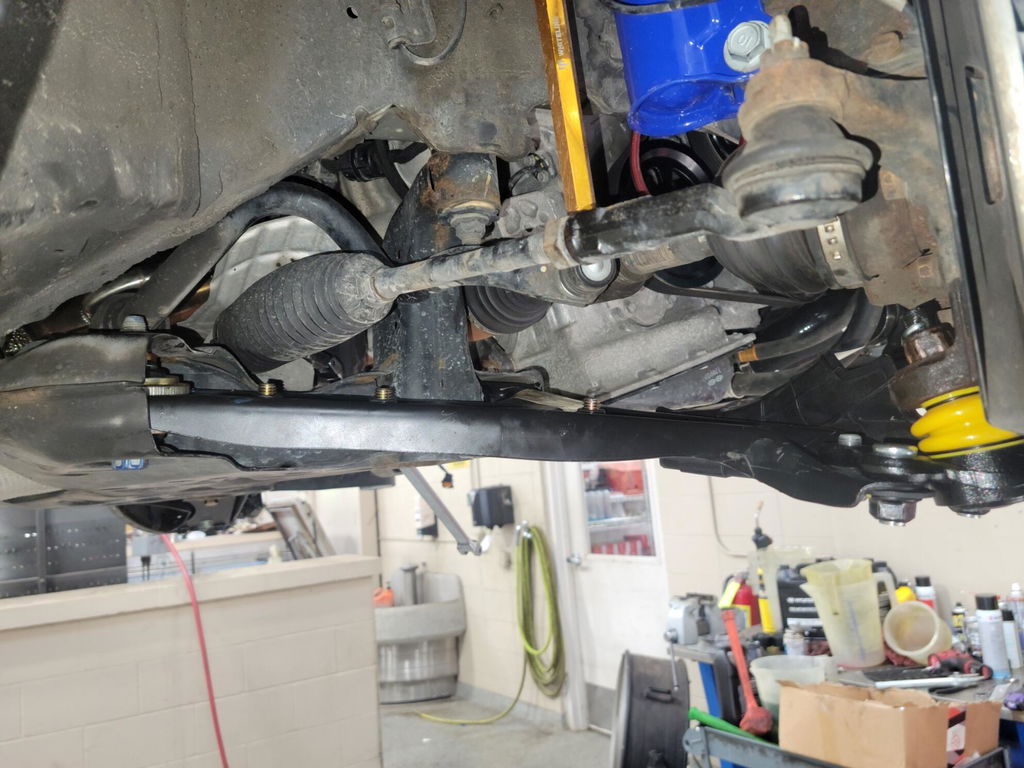
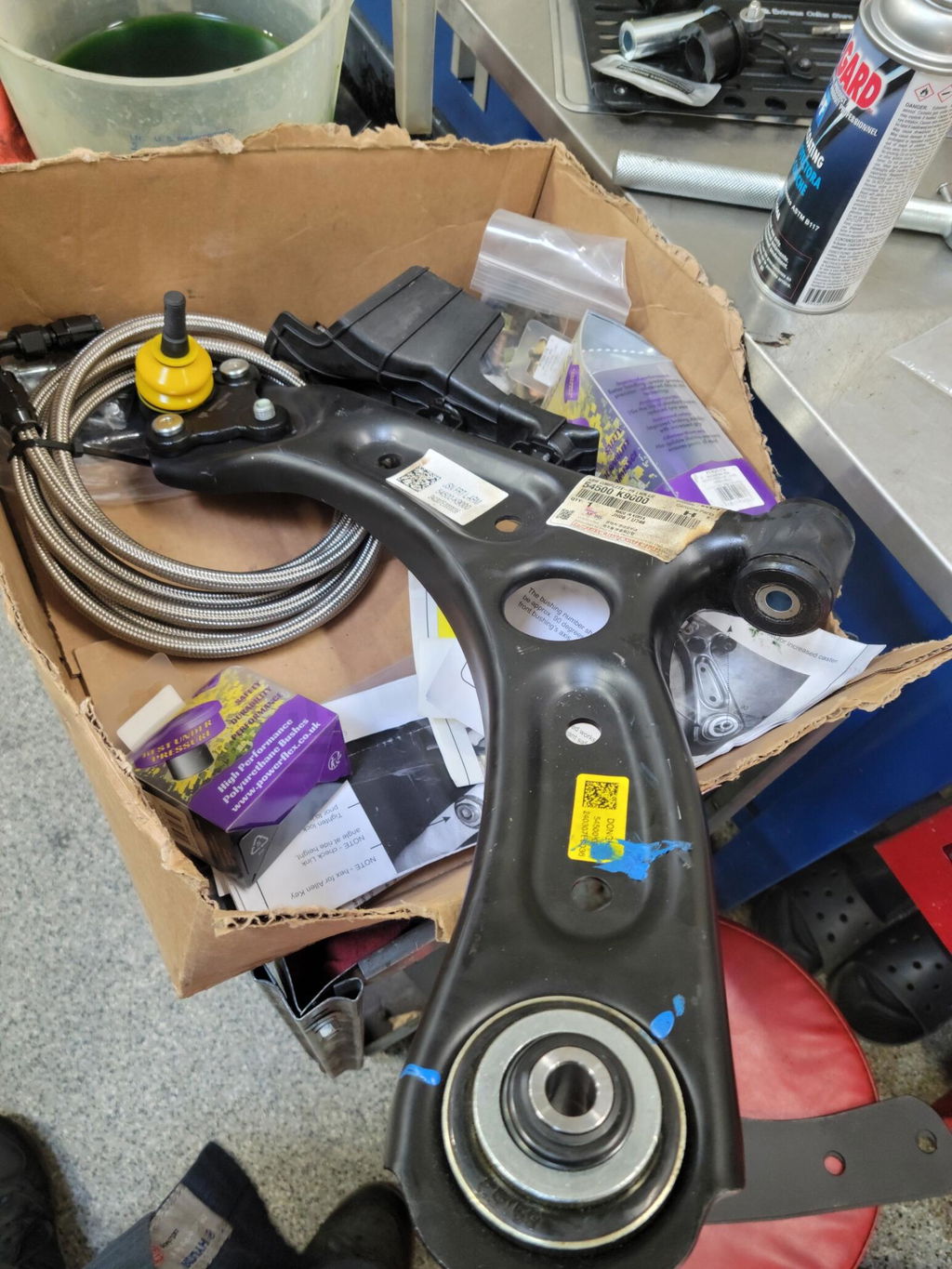
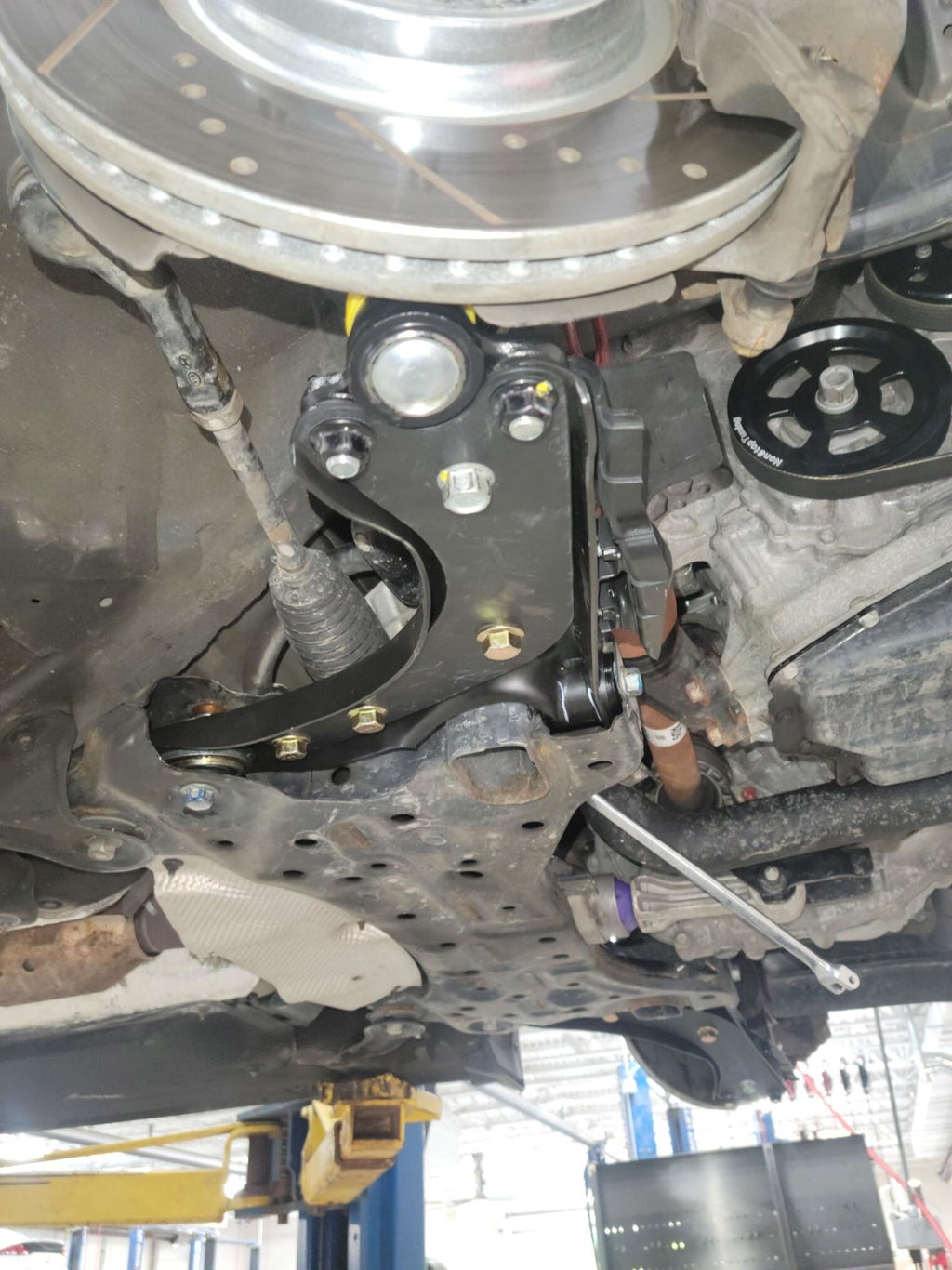
I got these installed with the Gecko street suspension and bushings in the control arm. The combo has worked flawlessly. On rails. Love my ride.